
Real diagnostic and installation case studies based on genuine customer vehicles and our own work.
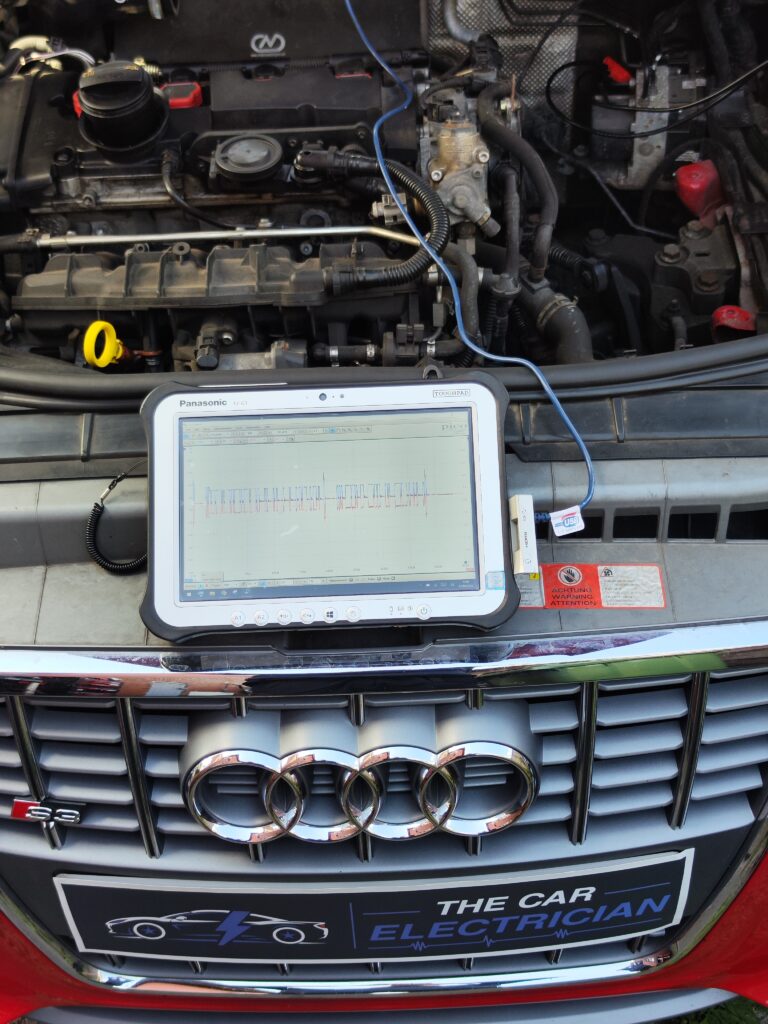
“ABS warning, no speedometer, power-steering fault and no four-wheel drive…”
One failing control module affecting several vehicle systems.
──────────────────────────────
At a Glance
I carried out mobile electrical diagnosis on a 2009 Audi S3 which had developed ABS and ESP warnings, loss of speedometer operation, steering-system faults and loss of Haldex four-wheel-drive operation.
A full vehicle scan showed several control units reporting lost communication with the ABS/ESP controller.
Rather than replacing the ABS unit based purely on fault codes, its power supplies, ground, ignition feed and CAN communication network were tested directly at the module.
The testing confirmed that the vehicle wiring and communication network were operating correctly, while the ABS controller itself was intermittently dropping offline.
──────────────────────────────
The Audi arrived with several apparently unrelated faults.
The ABS and ESP warning lamps were illuminated, the speedometer was no longer operating correctly, the power-steering system was reporting faults and the Haldex four-wheel-drive system had been disabled.
A vehicle scan showed multiple control units reporting loss of communication with ABS/ESP controller J104.
Although this produced faults across several systems, they shared one important link: they all depend on information supplied by the ABS controller.
On this vehicle, the ABS unit processes wheel-speed information and broadcasts vehicle-speed data across the CAN network. When that information disappears, other systems can no longer operate normally.
Before condemning the controller, the electrical circuits supplying it were tested.
Both permanent battery feeds and the main ground circuit were tested under electrical load, rather than relying on an unloaded multimeter reading. The ignition supply also tested correctly.
CAN High and CAN Low were then checked at the ABS connector using an oscilloscope.
The network showed clean, opposing CAN signals with normal communication activity present directly at the controller.
Despite having correct power, ground and CAN communication available, the ABS controller repeatedly disappeared from diagnostic communication.
It would occasionally return, identify correctly and provide live data before dropping offline again.
During one of these periods, the controller stored faults including:
- Control Module – Electrical Error
- Control Module – Watchdog Timer
- ABS Hydraulic Pump V64
- Several secondary communication and calibration faults
The watchdog and internal electrical faults, combined with verified external wiring and the controller’s intermittent communication behaviour, provided strong evidence of an internal ABS control-unit failure.
The steering-angle sensor was also checked independently and responded correctly during testing, helping confirm that the steering-related faults were consequential rather than evidence of a failed steering-angle sensor.
The Result
✓ ABS permanent power supplies passed loaded testing.
✓ ABS ground circuit passed loaded testing.
✓ Ignition supply confirmed correct.
✓ CAN High and CAN Low verified with an oscilloscope.
✓ External wiring and network integrity confirmed during testing.
✓ Steering-angle sensor operation verified separately.
✓ Intermittent internal ABS-controller failure identified.
✓ Original ABS coding recorded before repair.
✓ Controller recommended for specialist electronic assessment and repair.
The Takeaway
Several warning lights do not necessarily mean several components have failed.
Modern vehicles share information between control units. A single module disappearing from the network can therefore affect systems which, at first glance, appear completely unrelated.
In this Audi, the ABS fault affected the speedometer, stability control, power steering and four-wheel-drive operation.
Testing the power, ground and communication network first meant the controller could be diagnosed from evidence rather than simply replaced because a scan tool could not communicate with it.
Accurate diagnosis should always come before replacing parts.
The Car Electrician — Modern methods for modern vehicles.
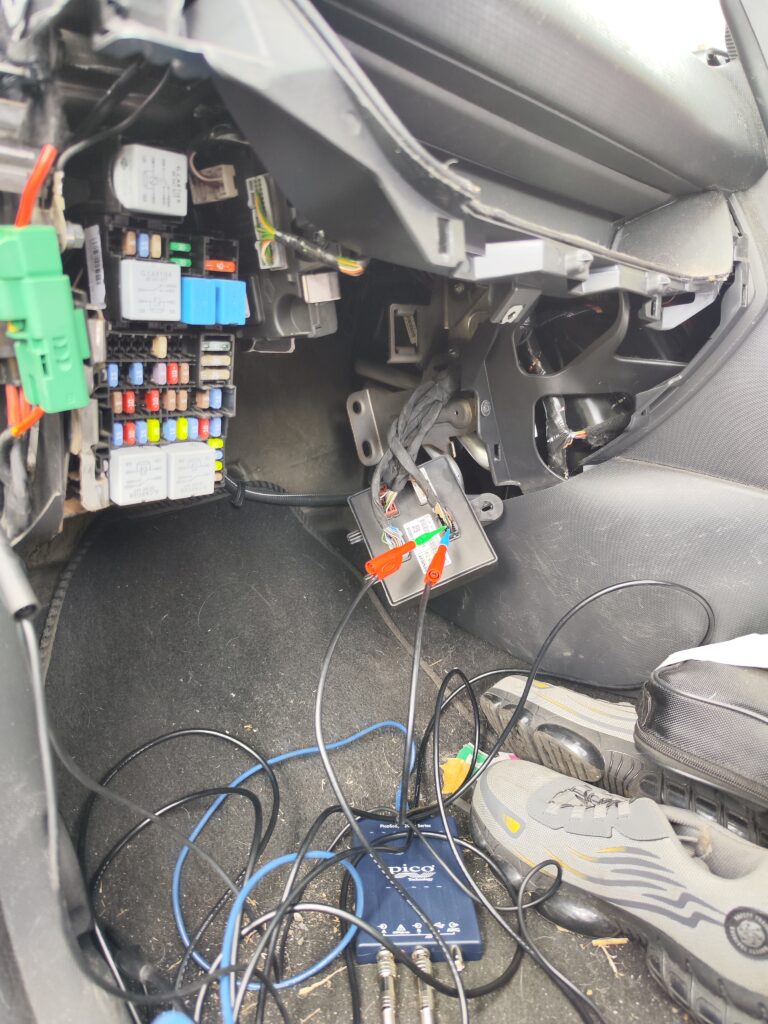
“Wipers stuck on, headlights stuck on and a charging warning…”
Several faults, one shared power-supply problem.
──────────────────────────────
At a Glance
I carried out mobile automotive electrical diagnosis and repair on a 2014 Renault Clio 1.5 dCi with continuous windscreen wipers, dipped-beam headlights stuck on and charging-system warnings after it was used to jump-start another vehicle. Vehicle scanning, manufacturer wiring diagrams and direct circuit testing traced the faults to failed and missing power-supply fuses. Full operation was restored without replacing the alternator, ECU, sensors, wiper motor or lighting components.
Full diagnostic investigation, testing and results below.
──────────────────────────────
A customer contacted me after his 2014 Renault Clio 1.5 dCi developed several electrical faults immediately after being used to jump-start another vehicle.
The charging and service warnings illuminated, the front windscreen wipers operated continuously at high speed, and the dipped-beam headlights remained permanently on. However, the alternator was still charging at approximately 14 volts and the rear electrical functions operated normally.
A complete vehicle scan recorded faults relating to alternator LIN communication, the battery-current sensor, rain/light sensor and combined lighting/wiper stalk. Although this initially appeared to involve several different components, the fact that they failed simultaneously suggested a shared power-supply problem.
Using the manufacturer’s wiring diagrams, the affected circuits were traced to energy-management computer 2202. The diagrams showed that fuse F1 (5 A) within engine-bay power-feed board 777 supplies the BP1C circuit to:
• Battery-current sensor 928, pin 1
• Energy-management computer 2202, connector S1, pin C4
Fuse F1 was tested and confirmed open circuit. Before replacing it, the battery-current sensor was checked and measured approximately 6.43 MΩ, with no low-resistance internal short identified.
Once the correct 5 A fuse was installed, the continuous wiper operation stopped immediately and the dipped-beam headlights returned to normal. This confirmed that the wipers and headlights had entered safety fallback operation because computer 2202 had lost a required power supply.
Further inspection identified another failed supply fuse behind the glovebox and a missing 5 A fuse for the combined lighting and wiper stalk. These were replaced and the stalk functions were restored.
Oscilloscope testing confirmed battery-current-sensor communication and healthy CAN High and CAN Low activity at computer 2202. A thermal inspection found no abnormal overheating, and the vehicle passed a post-repair scan and complete functional test.
The Result
✓ Windscreen-wiper operation fully restored.
✓ Dipped-beam and lighting-stalk operation restored.
✓ Charging-system warning extinguished.
✓ Alternator charging operation confirmed as correct.
✓ No alternator, control unit, sensor, wiper motor or lighting component required replacement.
✓ Vehicle returned to the customer fully operational.
The Takeaway
A charging warning does not automatically mean the alternator has failed. When several apparently unrelated fault codes appear simultaneously, it is important to establish what those systems share.
In this case, circuit tracing and electrical testing identified a missing common power supply. Replacing parts based solely on the fault descriptions could easily have resulted in an unnecessary alternator, sensor or control-unit replacement.
Accurate diagnosis should always come before replacing parts.
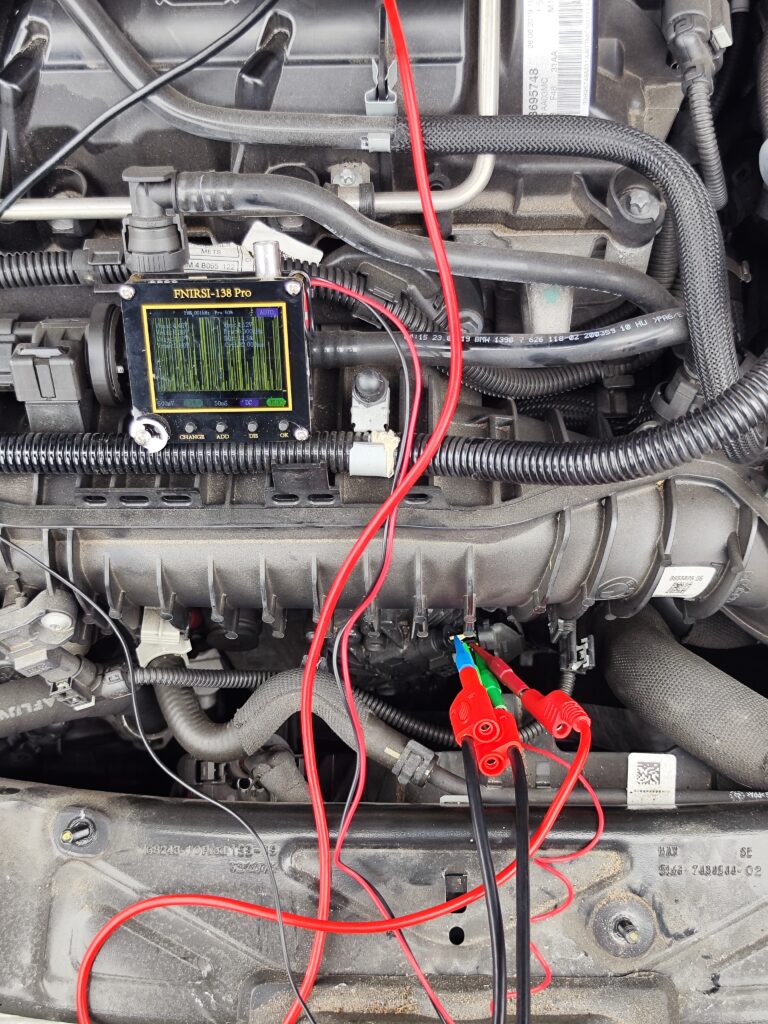
“Drivetrain. You can continue driving.”
The message was vague. The test results weren’t.
──────────────────────────────
At a Glance
I carried out evidence-led automotive electrical diagnostics on a 2020 BMW X1 displaying an engine-management light and drivetrain warning. Vehicle scanning, freeze-frame analysis and direct circuit testing confirmed correct power, ground, ECU commands and actuator feedback, narrowing repeated fault code 20F207 to a suspected internal heat-management-module failure. The customer received documented diagnostic evidence and a clear repair recommendation without guesswork or unnecessary parts replacement.
Full diagnostic investigation, measurements and results below.
──────────────────────────────
A customer contacted me regarding a 2020 BMW X1 with the engine management light illuminated and a drivetrain warning displayed on the dashboard. Despite the warning, the customer had not noticed any significant change in performance.
A previous garage had scanned the vehicle but described the result only as an “OEM fault” and recommended consulting an automotive electrician.
A complete vehicle health scan was carried out before cold starting the engine. The primary DME fault was:
20F207 – Heat management module activation: current limitation
This fault had been recorded 19 times. Additional faults showed that the engine-management system had placed the cooling system into emergency operation and requested a reduction in available torque.
The freeze-frame data showed that system voltage was 13.22 V when the fault occurred, allowing low supply voltage to be ruled out as the cause.
Using the manufacturer’s wiring diagram, the five-pin heat-management-module connector was accessed and tested directly:
- A stable 5 V sensor supply was confirmed.
- Sensor-ground voltage drop measured only 3.4 mV.
- A valid SENT digital position-feedback signal was present.
- Both motor-control wires produced complementary 0–12 V H-bridge switching, confirming that the DME was commanding the actuator in both directions.
This confirmed that the module was receiving the correct supply, ground, position-feedback and motor-control signals. No external wiring or DME command-circuit fault was identified during testing.
Based on the fault-code evidence and circuit-test results, the heat-management module was suspected to have an internal electrical or mechanical restriction affecting its rotary coolant-valve actuator, motor or gearing.
The customer was provided with a complete diagnostic report, photographic evidence and a clear repair recommendation to take forward.
The Result
✓ The primary fault was traced methodically.
✓ Low system voltage and external wiring faults were ruled out.
✓ ECU command and module position feedback were verified.
✓ No parts were replaced based solely on a fault code.
✓ The customer received an evidence-based repair direction.
The Takeaway
Modern vehicles use closed-loop actuators: the control unit commands movement and expects position feedback in return. In this case, the power supply, ground, feedback and motor commands were all present, but the control unit repeatedly detected excessive current.
This combination of evidence pointed towards an internal restriction within the heat-management module.
A fault code should begin the diagnostic process—not automatically decide which part gets replaced.
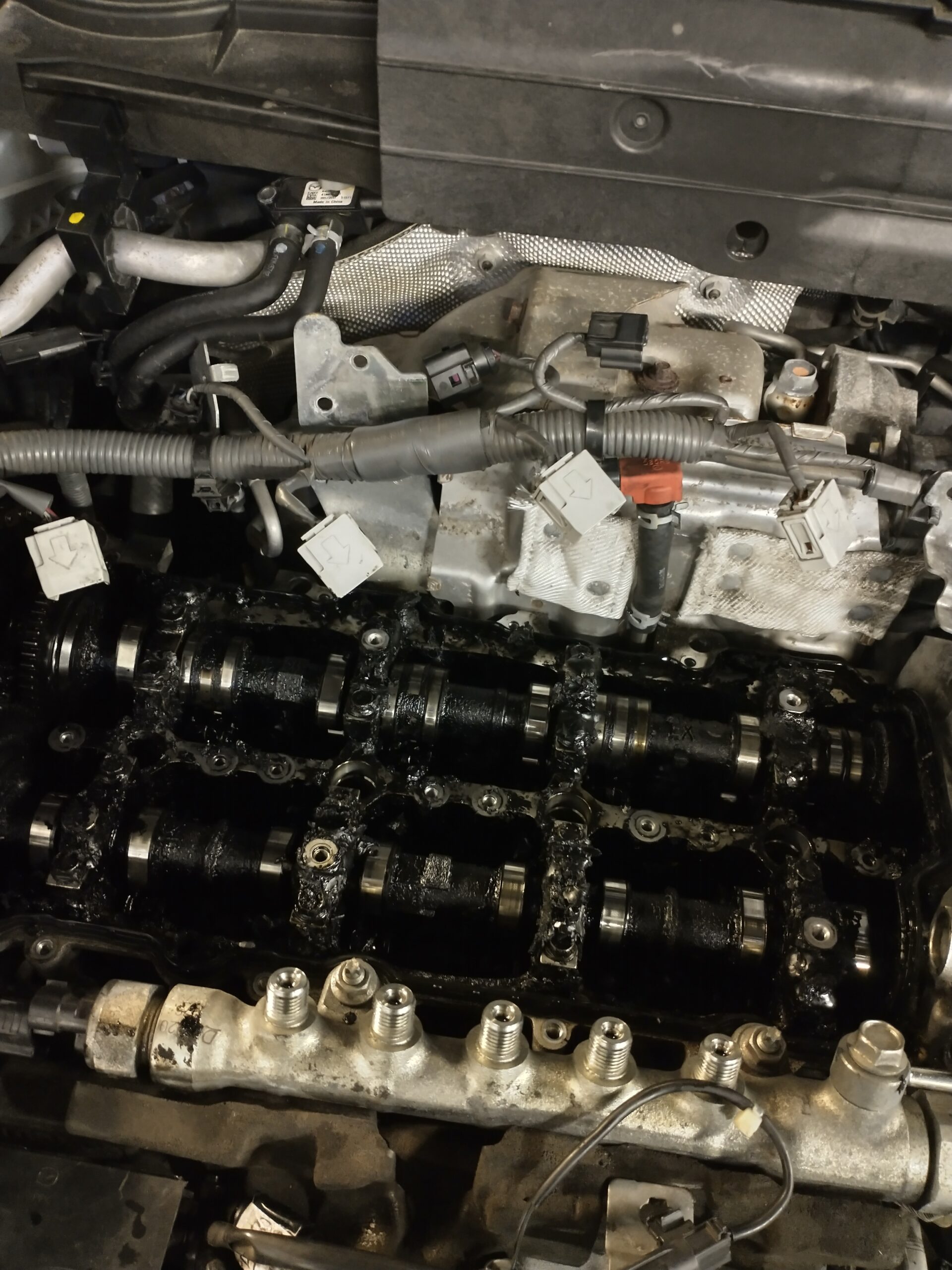
“You need a new engine, mate…”.
Turns out, he didn’t.
A customer contacted me after his vehicle broke down and was recovered to a local garage. He’d been told the engine timing had jumped, the engine was likely damaged, and the most sensible option was a complete engine replacement.
Before spending thousands of pounds, he wanted a second opinion.
Rather than assuming the worst, I carried out a methodical diagnosis using live data, oscilloscope testing and electrical analysis. The mechanical timing was actually correct. The real fault was a failing crankshaft position sensor, which was producing an incorrect signal and misleading the engine management system into believing the timing was out of sync.
A new crankshaft position sensor was fitted, the fault codes were cleared, and the engine started and ran perfectly.
The Result
✔ No engine replacement required.
✔ Thousands of pounds saved.
✔ Fault diagnosed correctly.
The Takeaway
Modern vehicles depend on accurate sensor information. Sometimes a relatively inexpensive component can imitate a major mechanical failure, which is why accurate diagnosis should always come before replacing parts.
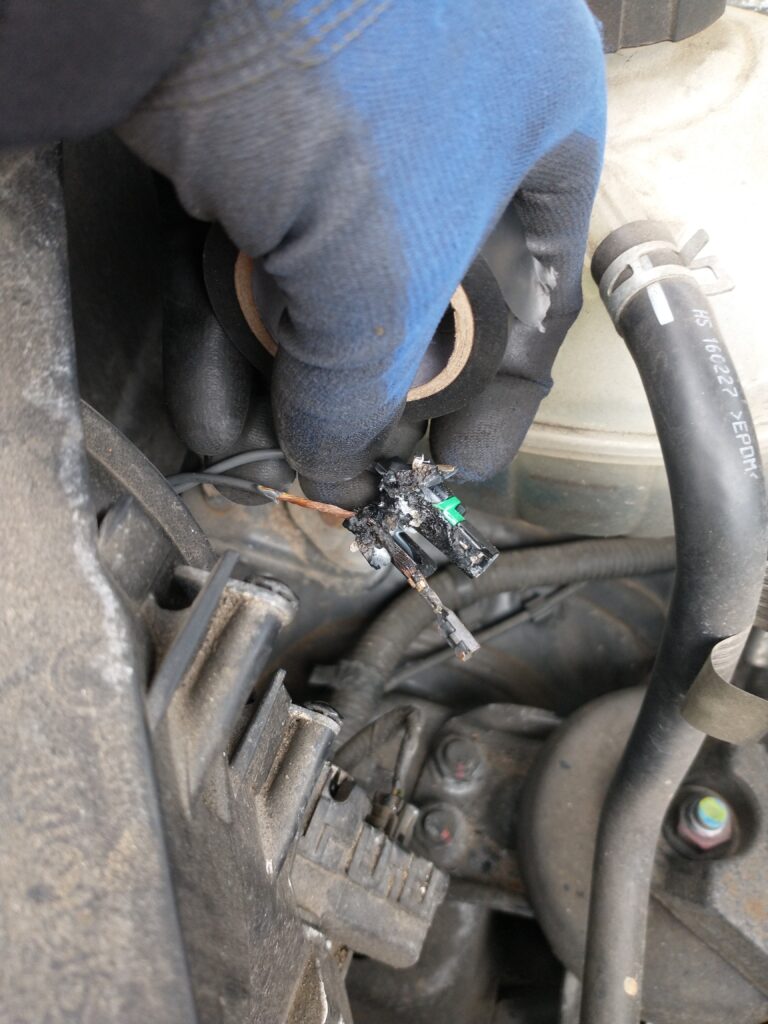
“A simple bulb upgrade almost became an electrical fire.”
A customer contacted me after having aftermarket LED headlight bulbs fitted at another garage. A few days later, both headlights stopped working.
Before reaching for any test equipment, I carried out a visual inspection—and immediately found the problem.
The aftermarket bulb connector had overheated and partially melted, leaving signs of electrical burning. Had the fault gone unnoticed, the damage could have spread further into the wiring harness and, in the worst case, resulted in an engine bay fire.
The damaged connector was removed, a new pigtail connector was soldered and heat-shrunk into the loom, and the low-quality aftermarket bulbs were replaced with quality units from a reputable manufacturer.
The Result
✓ Burnt wiring repaired correctly.
✓ New connector professionally soldered into the loom.
✓ Quality bulbs installed.
✓ Vehicle made safe and lighting system restored
The Takeaway
Not all aftermarket parts are created equal. Poor-quality components or incorrect installation can create serious electrical and safety issues. Even a simple lighting upgrade should be carried out using quality parts and correct installation methods.
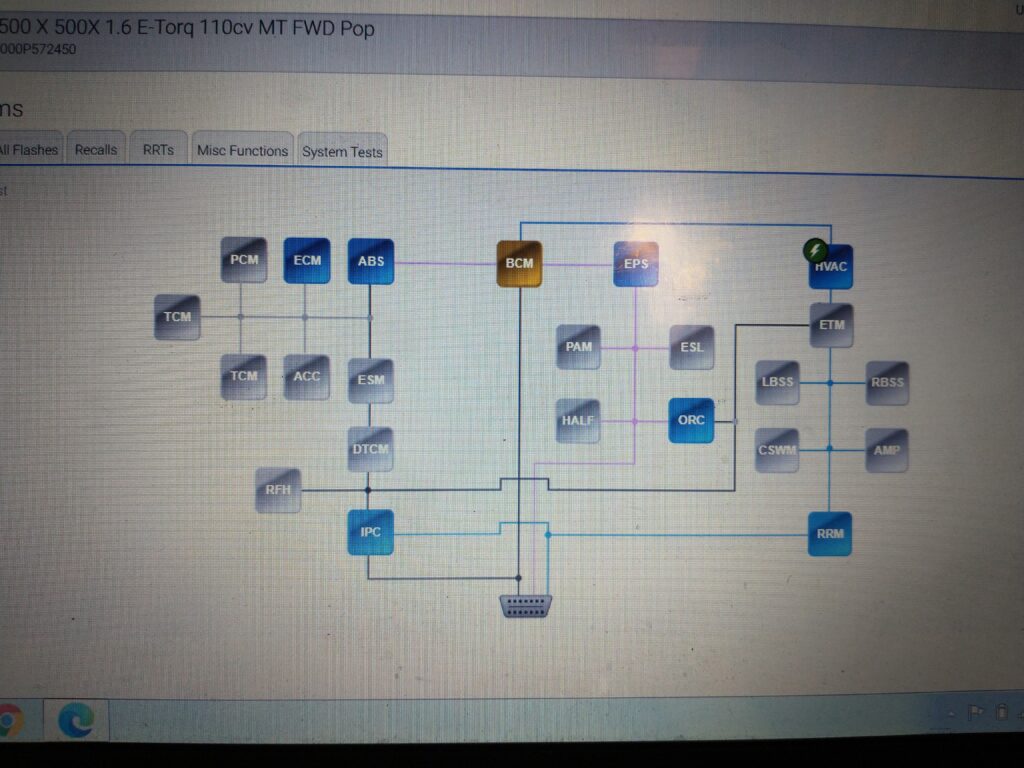
“The right tools tell the story.”
Modern vehicles can contain dozens of control modules communicating across several different networks. Professional diagnostic equipment allows me to see which systems are communicating correctly, which aren’t, and where to begin testing.
Combined with an oscilloscope, wiring diagrams and a structured diagnostic process, faults can be proven rather than guessed—reducing unnecessary parts replacement and ensuring repairs are based on evidence, not assumptions.
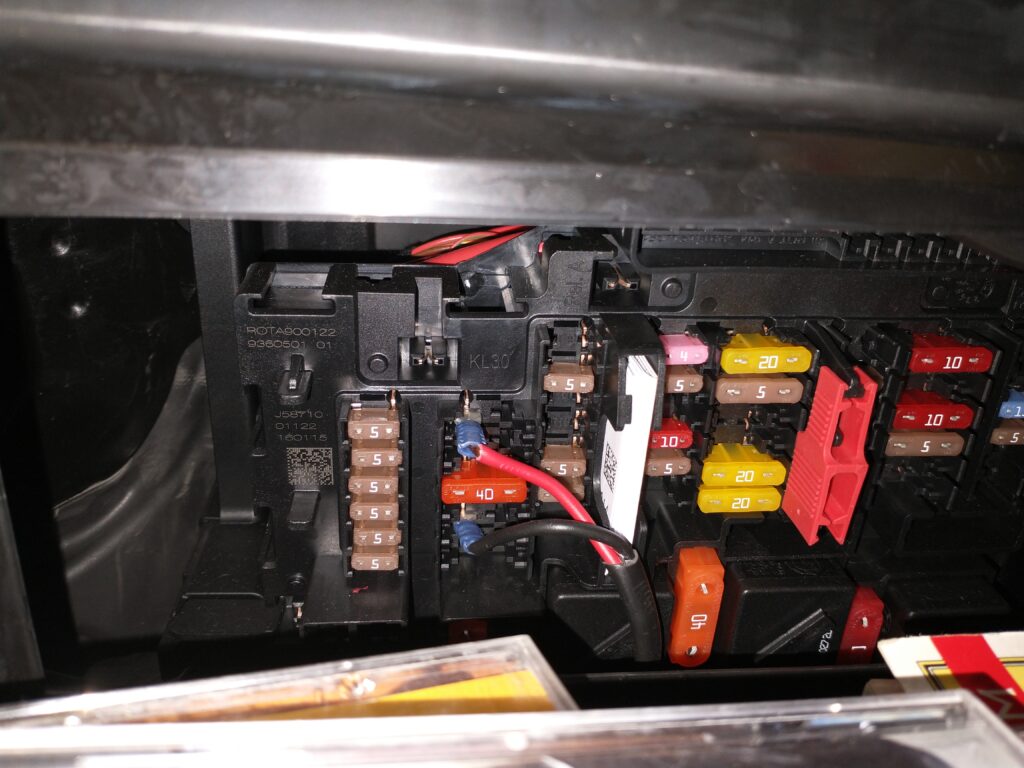
“Where did the fuse go?”
A customer contacted me after having an aftermarket stereo installed elsewhere. Shortly afterwards, the rear wiper stopped working.
Rather than assuming a fault with the wiper system itself, I began with a visual inspection of the fuse box.
It quickly became clear what had happened. During the stereo installation, a twin-core power cable had been forced into the fuse box. To make room, one of the original fuses had simply been removed—and never refitted.
The missing fuse left part of the vehicle’s electrical system unprotected and was dangerously close to affecting the ABS circuit, a critical safety system.
The incorrectly installed wiring was removed, the fuse box returned to its original configuration, the correct fuse refitted and the stereo wiring installed properly.
The Result
✓ Rear wiper restored to normal operation.
✓ Missing fuse correctly reinstated.
✓ Stereo wiring corrected.
✓ Vehicle electrical system made safe.
The Takeaway
Aftermarket accessories should never be installed by bypassing or modifying factory safety systems. A professional installation protects both the accessory and the vehicle it’s fitted to. Even something as simple as a stereo installation can create serious electrical faults when shortcuts are taken.

“The battery wasn’t faulty. It just didn’t know it was there.”
A customer contacted me after having the battery replaced on their Bentley. Shortly afterwards, the battery repeatedly discharged until the vehicle would no longer start.
Rather than replacing parts again, I carried out a system scan.
The fault was immediately clear. Although a new battery had been fitted, it hadn’t been registered with the vehicle’s battery management system. Without the correct battery information, the charging system wasn’t managing the new battery correctly.
The new battery was programmed into the body control module, the fault codes were cleared, and the charging and starting systems were fully tested to confirm everything was operating as intended.
The Result
✓ New battery correctly registered.
✓ Fault codes cleared.
✓ Charging system operating correctly.
✓ Vehicle starting and charging normally.
The Takeaway
Many modern vehicles require battery replacement to be completed electronically as well as physically. Fitting a new battery without registering it to the vehicle can lead to charging problems, reduced battery life and repeat breakdowns.
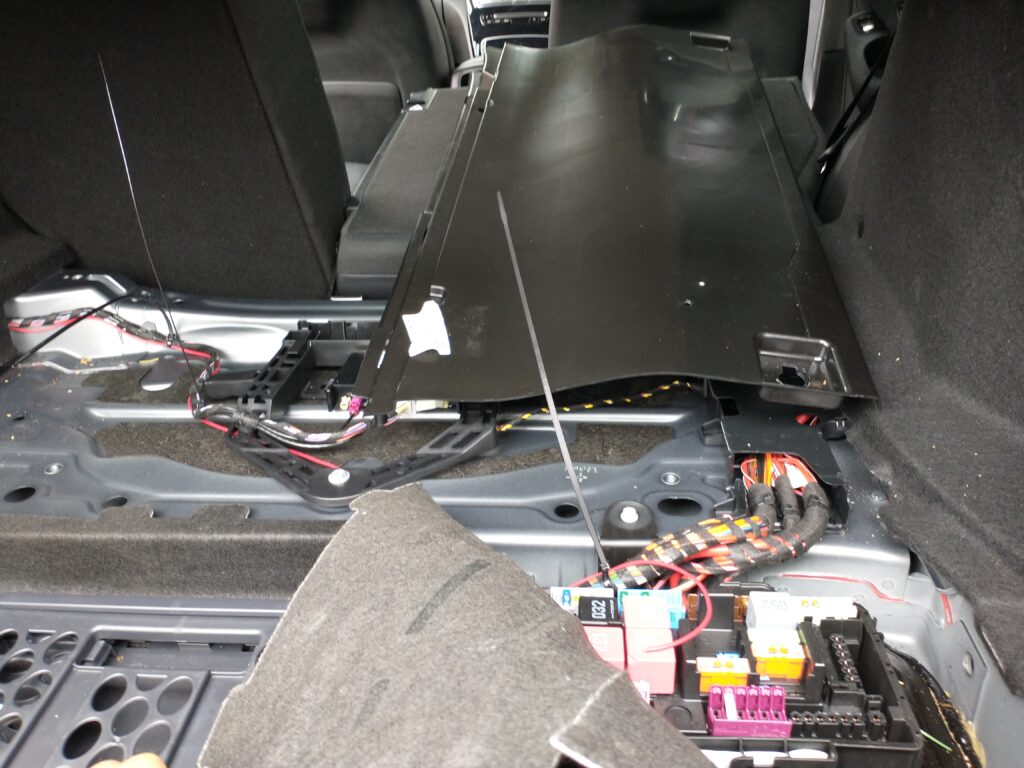
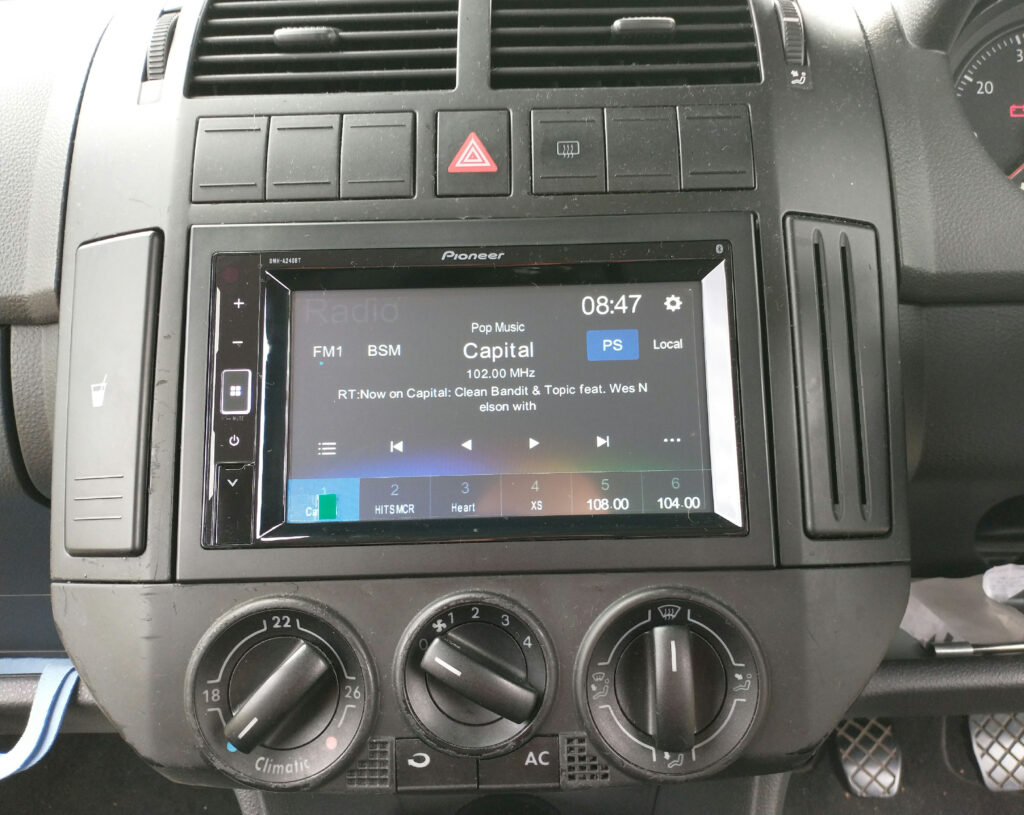
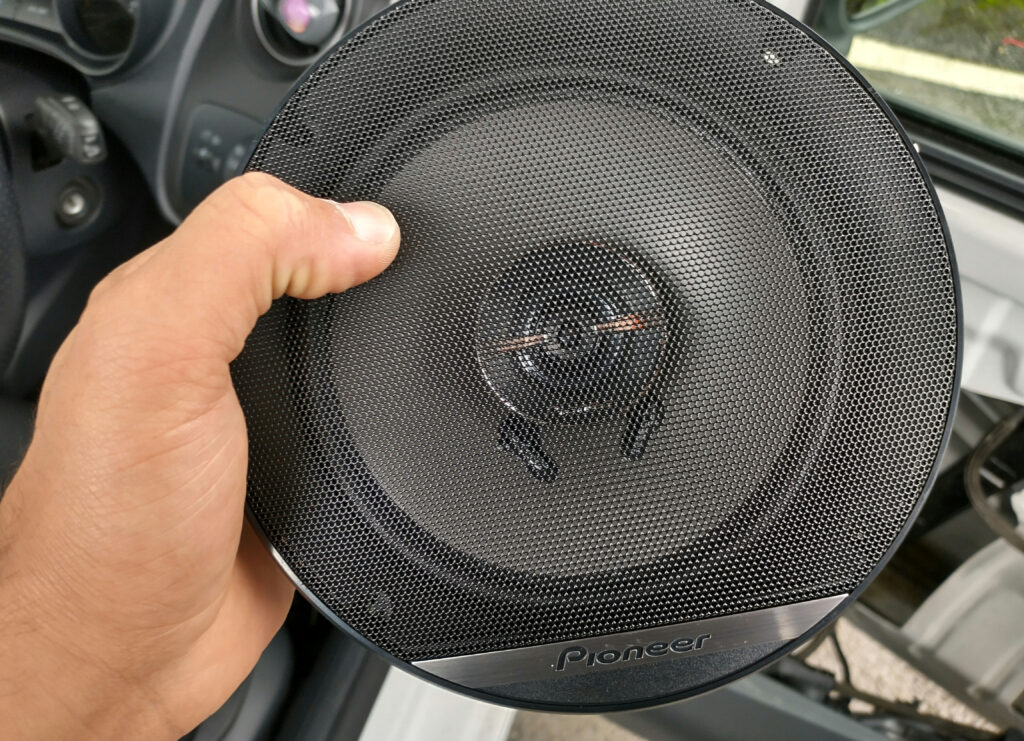
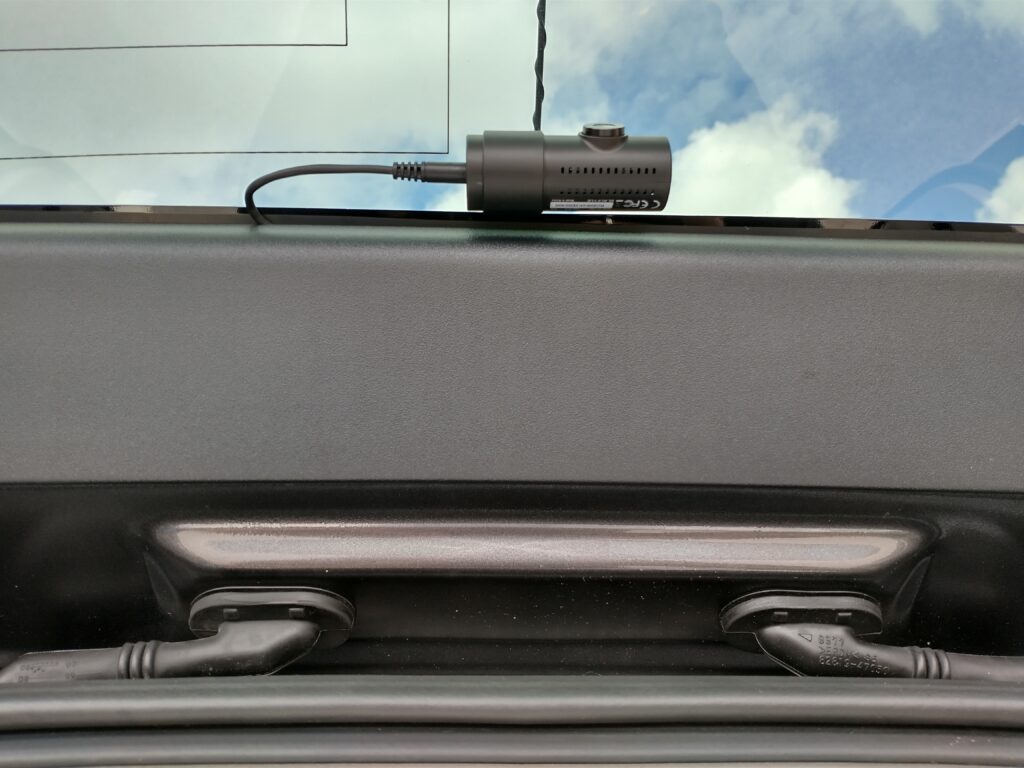
“Not every customer calls with an electrical fault. Sometimes they simply want a professional installation they can rely on.”
In this case, a new Pioneer stereo, a speaker or a dashcam was supplied and installed neatly, using the correct wiring methods and without cutting corners or damaging the vehicle’s original wiring.
Everything was tested before handover, ensuring all functions operated exactly as intended.
The Result
✓ Item installed professionally.
✓ Vehicle wiring left intact.
✓ All functions tested and working correctly.
✓ Customer left with a reliable installation.
The Takeaway
The best aftermarket installation is one you’ll never notice. If the wiring is routed correctly, protected properly and installed with care, it should look and perform like it was there from the factory.

“Keeping an entire fleet connected.”
A commercial fleet required CCTV systems installing across multiple vehicles, with every installation completed to the same standard.
Rather than treating each van as a one-off job, every system was installed consistently, with wiring routed alongside the factory looms, cables secured correctly and equipment positioned for reliability and ease of maintenance.
For businesses, consistency is just as important as functionality. Every vehicle should be installed the same way, making future servicing, repairs and fleet management straightforward.
The Result
✓ CCTV systems installed across the fleet.
✓ Consistent installation standards on every vehicle.
✓ Wiring routed and protected correctly.
✓ Reliable systems ready for daily commercial use.
The Takeaway
Whether it’s one vehicle or fifty, the installation should be carried out to the same professional standard. Careful planning, tidy workmanship and attention to detail help ensure reliable operation for years to come.
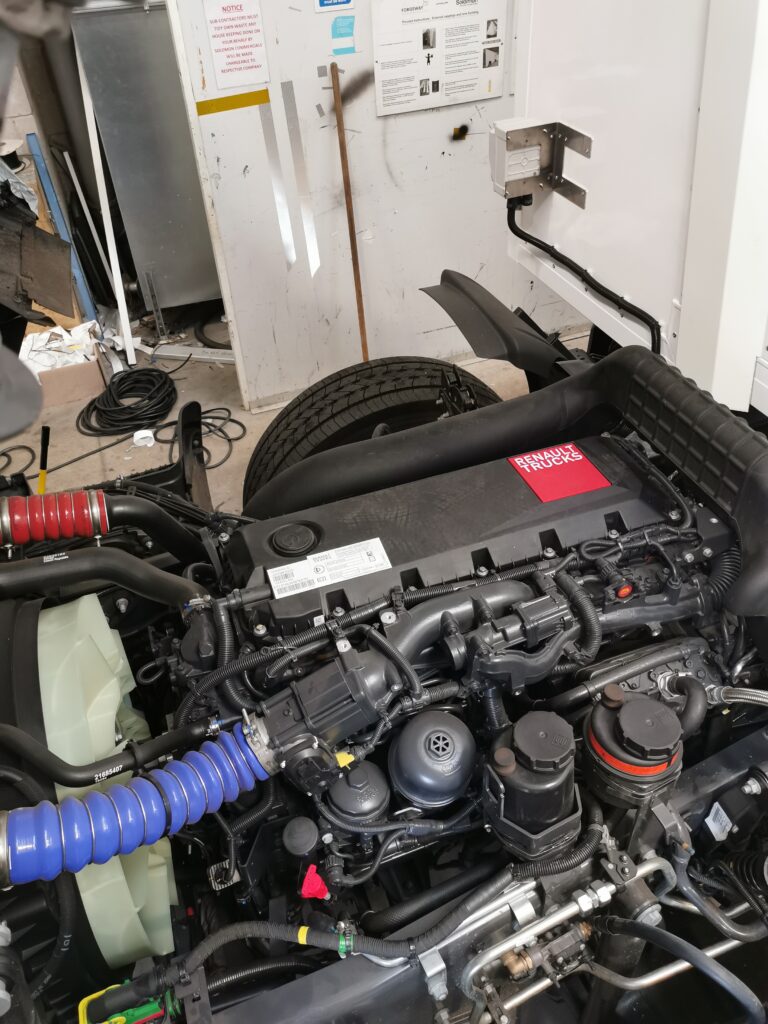
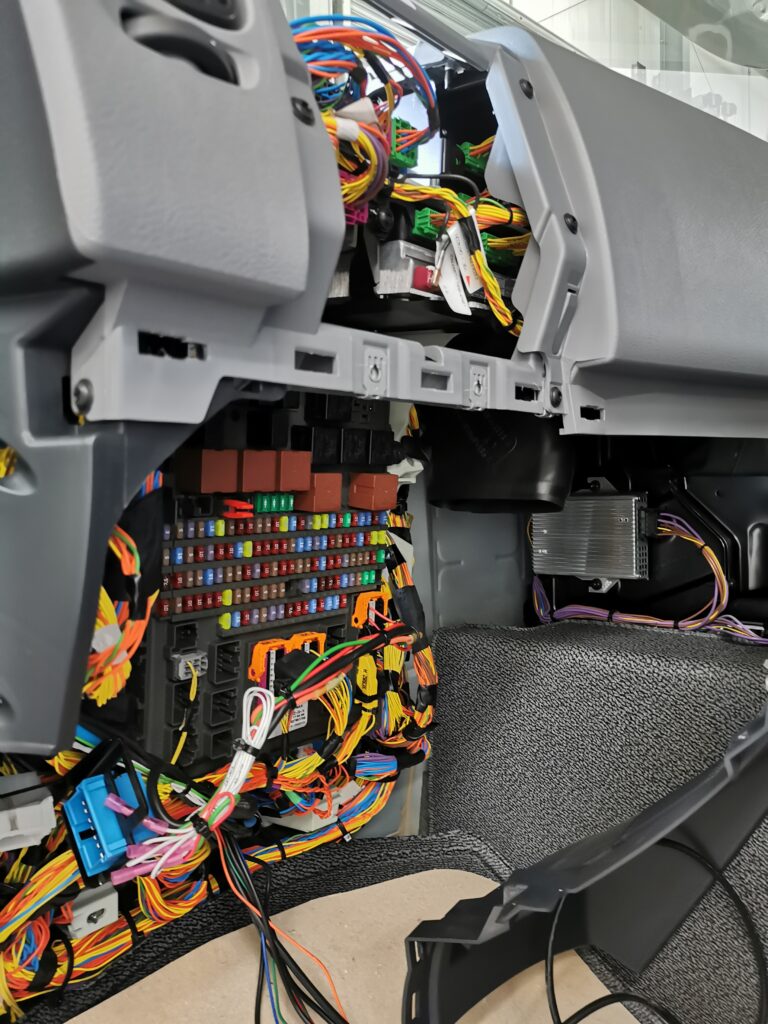

“Safety systems deserve the same attention as the vehicle they’re fitted to.”
A fleet of commercial vehicles required audible turn warning systems installing to improve safety around pedestrians and other road users.
Every installation was planned carefully, with wiring routed neatly, protected correctly and secured throughout the vehicle. The extra space available inside commercial vehicles makes it possible to produce tidy, serviceable installations that are built to last.
The Result
✓ Audible turn warning systems installed.
✓ Professional cable routing throughout.
✓ Reliable operation in daily commercial use.
✓ Fleet ready for service.
The Takeaway
Safety equipment is only as reliable as the installation behind it. Taking the time to route and protect wiring properly helps ensure these systems continue working when they’re needed most.
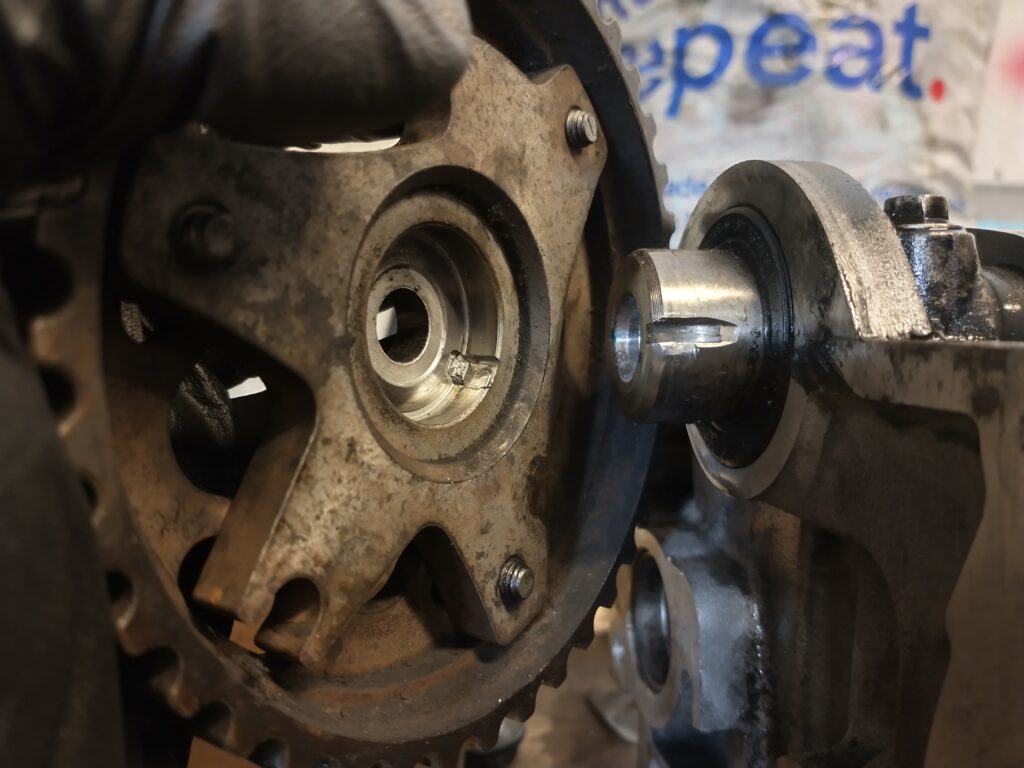
“The timing sprocket was there… it just wasn’t doing anything.”
This is a case from my time working in a workshop, demonstrating the importance of accurate diagnosis. A customer presented with a severe engine running fault. At first glance it appeared to be a major timing issue, but the exact cause wasn’t immediately obvious.
After dismantling the timing assembly, the fault became clear. The Woodruff key locating the timing sprocket had sheared clean off, allowing the sprocket to spin freely on the shaft and causing the engine timing to slip.
Unfortunately, this engine was an interference design, meaning the loss of valve timing resulted in extensive internal engine damage. While I no longer carry out mechanical engine repairs, this case highlights an important part of what I do today. My role is to determine whether a fault is electrical or mechanical before unnecessary parts are replaced or expensive work begins.
If the fault is electrical, I’ll diagnose and repair it. If it’s mechanical, I’ll explain exactly what I’ve found and recommend the appropriate repair at a trusted garage.
The Takeaway
Good diagnostics don’t always end with an electrical repair. Sometimes the most valuable service is accurately identifying the cause of the problem, allowing the right repair to be carried out first time.
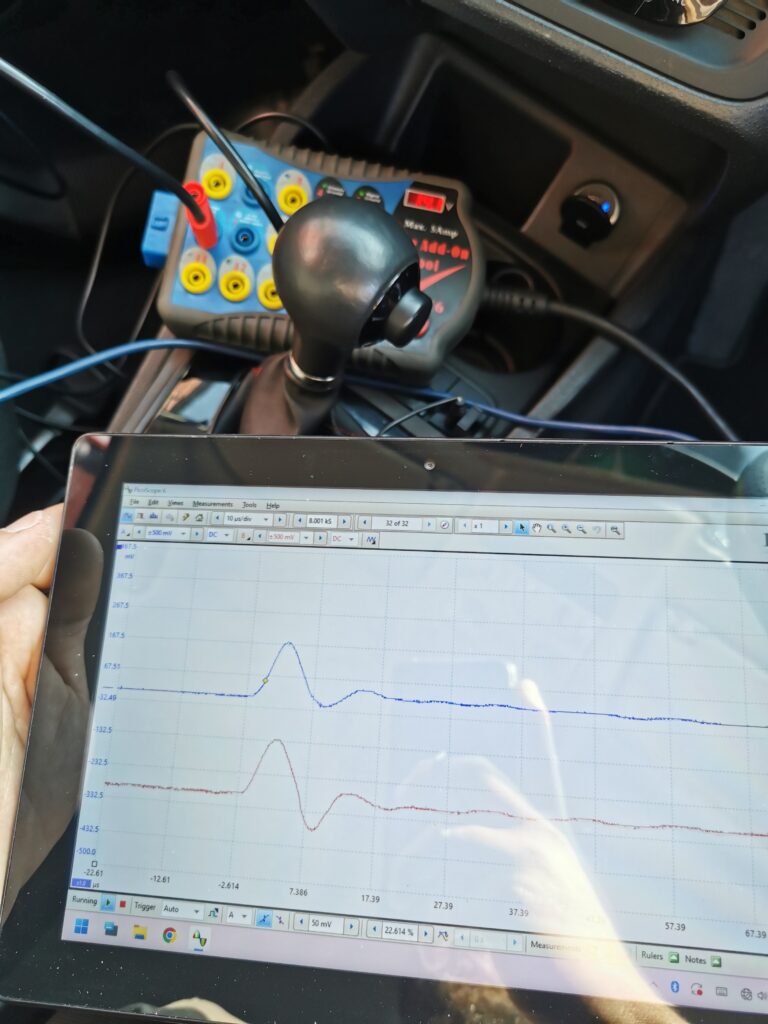
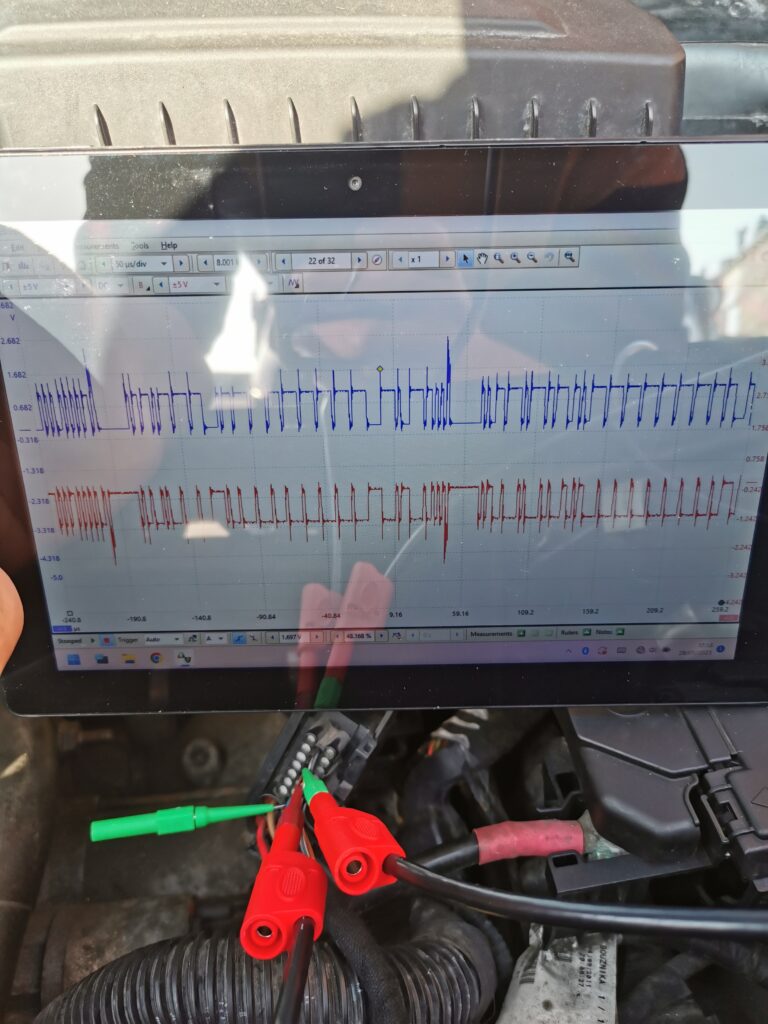
“Sometimes the fault isn’t visible. That’s where diagnostics begin.”
Not every electrical fault leaves a burnt connector or a broken wire. Modern vehicles communicate across multiple data networks. When one control module begins transmitting incorrect information, the symptoms can appear completely unrelated—from gearbox faults and steering warnings to intermittent starting problems.
In this case, oscilloscope testing of the high-speed CAN network quickly confirmed that the network itself was being disrupted. By comparing the waveform to a known good signal, it became clear that the DSG mechatronics unit was corrupting network communication.
Further testing confirmed the diagnosis. As the fault was internal to the gearbox mechatronics assembly, I advised the owner that replacement and programming by a gearbox specialist was the correct repair.
The Result
✓ Fault accurately diagnosed without unnecessary parts replacement.
✓ Customer directed to the correct specialist with confidence.
✓ Time and money saved by identifying the true cause first.
The Takeaway
Good diagnostics aren’t about guessing—they’re about proving the fault before recommending a repair.